
Desktop Tablet Phone
 Printable page in A4 size
 Lesson Three in Eight 15 Minute Topics.

7/ Bone Strength - Osteoporosis
Bone health: Tips to keep your bones healthy
Bones change all the time. The body constantly makes new bone and breaks down old bone. When you're young, new bone is made faster than old bone is broken down. So the amount of bone mass you have goes up. Most people reach peak bone mass around age 30. After that, you are likely to lose slightly more bone mass than you gain.
Osteoporosis is a condition that causes bones to become weak and easily broken. How likely you are to develop osteoporosis depends on how much bone mass you have by the time you're 30 and how quickly you lose it after that.

What affects bone health?
The amount of calcium in your diet. A diet low in calcium may lead to low bone density, early bone loss and easily broken bones.
Exercise makes bones stronger. People who aren't physically active have a higher risk of osteoporosis than people who exercise regularly.
Females are at higher risk of osteoporosis than males. That's because females have less bone tissue than males do.
Hormones affect bones. Too much thyroid hormone can cause bone loss. And due to dropping estrogen levels, there's usually a lot of bone loss around the time of menopause. Before menopause, people who don't have their periods for a long time — a condition called amenorrhea — have a higher risk of osteoporosis. Low testosterone levels can cause a loss of bone mass.
Taking some medicines for a long time may damage bones.
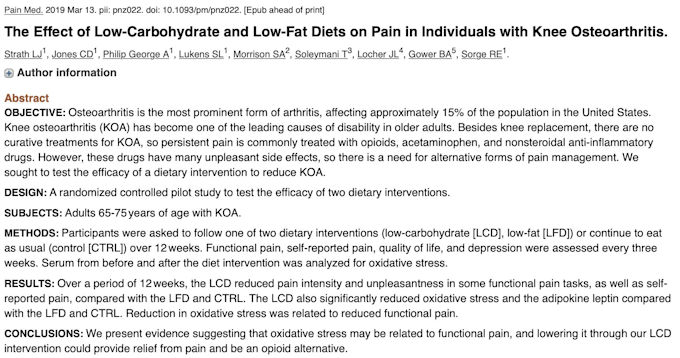
Research (2019) confirms that Osteoporosis pain can be reduced by diet.
The following steps may help prevent or slow bone loss:
Include plenty of calcium in your diet. Good sources of calcium include dairy products, turnip greens, salmon and canned salmon with bones, sardines, tuna, and soy products, such as tofu. If it's hard to get enough calcium from your diet, ask your healthcare professional about taking a calcium supplement.
Weight-bearing exercises can help you build strong bones and slow bone loss. Examples include brisk walking, jogging, dancing, climbing stairs, and playing soccer, tennis and pickleball.
Vitamin D especially for older people
Most humans depend on sun exposure to satisfy their requirements for vitamin D.
Get enough vitamin D. Vitamin D helps the body absorb calcium. Good sources of vitamin D include oily fish, such as salmon, trout, tuna and mackerel.
Vitamin D deficiency exacerbates osteoporosis among adults and causes the painful bone disease osteomalacia. Vitamin D deficiency has been associated with increased risks of deadly cancers, cardiovascular disease, multiple sclerosis, rheumatoid arthritis, and type 1 diabetes mellitus.
3 Secrets to Boost Muscle Strength After Fifty
Margaret Martin (8 minutes)
Published by:Exercise for Better Bones - July, 2021
What do you understand from this short lesson?
To search the Open Future Health website to find similar content. Choose 2 or 3 Keywords according to your interest.
Search multiple words like: "wordone+wordtwo+wordthree".
In Google, search multiple words like: "wordone+wordtwo+wordthree"
Alternatively ask Chat GP. Suggested prompt in natural language: "Briefly: I understand that (insert your own words here), is that a sensible view?"
Keep a brief record of what you have now understood.
Write a short note for yourself, in a document, or in a journal, so that you have a record of what you have understood.
Next Topic: Topic 8/ Charles Eugster - Dentist - Died at 96

You can return to the Three Lessons Directory here. (Tablet)
 Return to the Open Future Health Portal. (Where you started)