
Desktop Tablet Phone
 Printable page in A4 size
 Lesson One in Twelve 15 Minute Topics.

4/ Over Medicalization of Our Health System
Many aspects of human existence that were once considered normal, natural, or social issues are increasingly being redefined and treated as medical problems. This process extends the authority of medicine into new areas of life, leading to greater reliance on medical professionals and interventions to manage the ups and downs of human experience.

Aging is a natural process, not a medical event.
The general public's growing intolerance for discomfort, pain, and life's natural struggles also fuels medicalization. People increasingly seek "quick fixes" and medical solutions for normal human experiences.
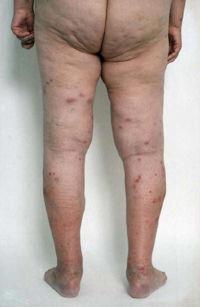
This is what most elderly men look like. Obese, diabetic, inflamed, with painful joints. 100% CAUSED by his own faulty diet, lack if exercise, and other NON-MEDICAL aspects of his lifestyle. NONE of these problems can be cured in the medical clinic.
Medicalization fosters a dependence on medical professionals and institutions, undermining individuals' and families' ability to manage natural life processes themselves. Your health is driven by your diet, by physical activity, by quality sleep, by belonging to a family group, and engagement with people beyond the family. In addition we all need work to do, a purpose that is fulfilling.
Feelings or behaviors once viewed as part of life's challenges can be recast as treatable disorders. Normal sadness can be diagnosed as clinical depression, and shyness may be labeled social anxiety disorder.
Existing medical categories can be widened to encompass more people or milder conditions. For example, diagnostic thresholds have been lowered for conditions like high blood pressure, diabetes and ADHD, leading to more diagnoses.

It's become "normal" to treat childbirth as a medical event. Perhaps the best case of excess medicalization in today's world.
Natural human processes such as birth, aging, and death have become medical events to be managed by healthcare professionals. Childbirth, once a home-based social event, is now overwhelmingly a hospital-based medical procedure, with a higher rate of surgical interventions like cesarean sections.
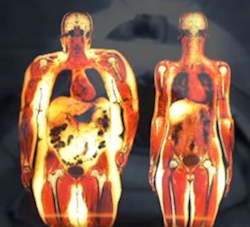
The external fat around the body, is not too much of a problem. In contrast, the internal fat around the liver, kidneys, pancreas and the heart prevents all those internal organs from functioning well.
That's one way that poor diet causes metabolic disease.
Pharmaceutical and biotech companies have become major drivers of medicalization by marketing drugs for a wider array of conditions. This creates a powerful commercial incentive to promote the idea of "a pill for every ill". The excess marketing of Viagra for erectile dysfunction is a classic example.
Critics argue that medicalization is a powerful form of social control, as medical authorities gain the power to define what is normal and abnormal. This can pathologise human differences and create new forms of stigma.
Based on the Dunedin Study
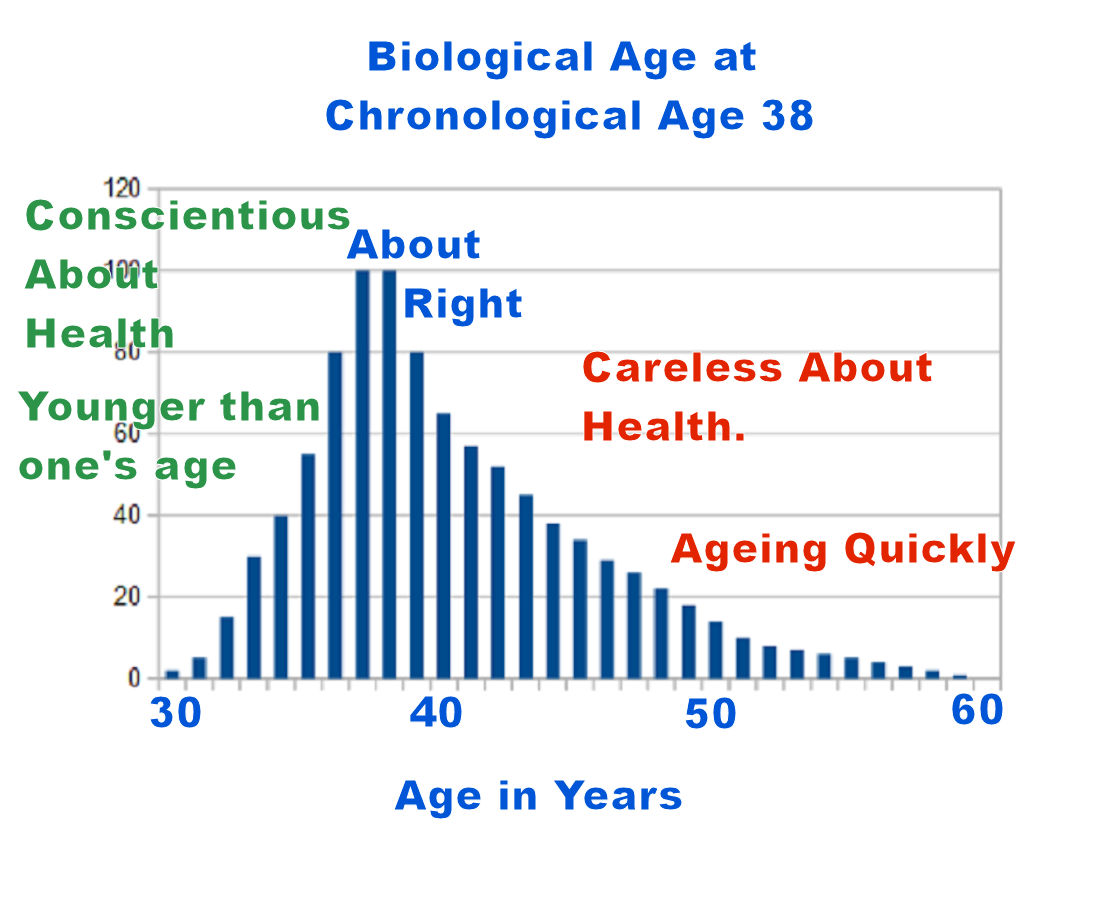
You can see that even at 38, people are tending to be biologically older. You want to be in the "conscientious about your health" group so you can be fitter and biologically younger.
Medicalization can lead to unnecessary treatments, expense, and potential side effects. For example, studies have shown potential harm from the over prescription of drugs for conditions like ADHD. Adopting a healthy lifestyle is the best way to avoid becoming a prisoner of an over medicalized world. In a similar way, older patients tend to "collect" new medications, that are seldom re-evaluated to see if they are still essential. There are some doctors, who regularly de-prescribe medicines for older people, and claim better health is achieved.
What do you understand from this short lesson?
To search the Open Future Health website to find similar content. Choose 2 or 3 Keywords according to your interest.
Search multiple words like: "wordone+wordtwo+wordthree".
In Google, search multiple words like: "wordone+wordtwo+wordthree"
Alternatively ask Chat GP. Suggested prompt in natural language: "Briefly: I understand that (insert your own words here), is that a sensible view?"
Keep a brief record of what you have now understood.
Write a short note for yourself, in a document, or in a journal, so that you have a record of what you have understood.
Next Topic: 5/ The World Stacked Against You (Tablet)

You can return to the Three Lessons Directory here. (Tablet)
 Return to the Open Future Health Portal. (Where you started)