

A Ten Year HIGH FAT Study is Finally Published
This is very long, but also very important.
Rina Ahluwalia interviews Dr Andrew Koutnik (87 minutes)
Published by: The Primal Podcast - 13 Jul 2025
Dr. Andrew Koutnik is a metabolic scientist who has completed a study on a high-fat ketogenic diet over a 10-year period in a high-risk patient population (type 1 diabetes). This patient population has a 10x higher cardiovascular risk compared to non-diabetics.
The question proposed in this 10-year-long high-fat, low-carb study was to assess end markers, including glycemic control and advanced cardiovascular markers, while keeping other variables consistent. The results were surprising, showing notable outcomes in both glycemic control and LDL cholesterol.
This study is available for you (or your doctor) to read. Efficacy and Safety of Long-term Ketogenic Diet Therapy in a Patient With Type 1 Diabetes.
Key Points to Understand
The ketogenic diet can significantly improve glycemic control in diabetes.
Insulin resistance is a complex issue.
Long-term adherence to a ketogenic diet can lead to improved metabolic health.
Saturated fat intake can elevate LDL cholesterol, but its impact on heart disease risk is nuanced.
Physiological insulin resistance may occur on a ketogenic diet but is not necessarily harmful.
A well-rounded ketogenic diet includes a variety of nutrient-dense foods.
Understanding the hierarchy of health risks is crucial for managing diabetes.
Dietary changes can have profound effects on mental health and metabolic disorders.
The ketogenic diet has historical roots in treating diabetes and obesity.
Making low-carb versions of favorite foods can help maintain a ketogenic lifestyle.
‘Managing cardiovascular risk with Therapeutic Carbohydrate Reduction'
A Draft Position Statement from the Scientific Committee of the Australasian Metabolic Health Society
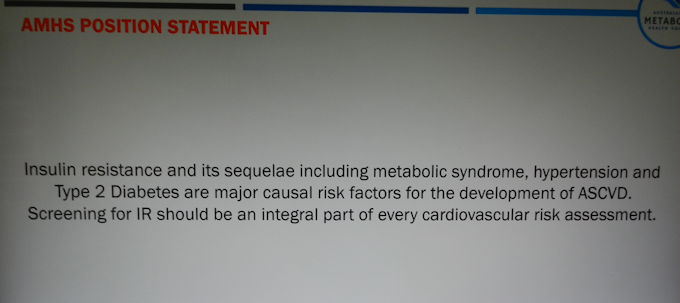
There are several studies cited in this video, but for our purposes these four are essential to our understanding. Insulin Resistance is fundamental to developing both Type II Diabetes, and Atherosclerotic Cardiovascular Disease.
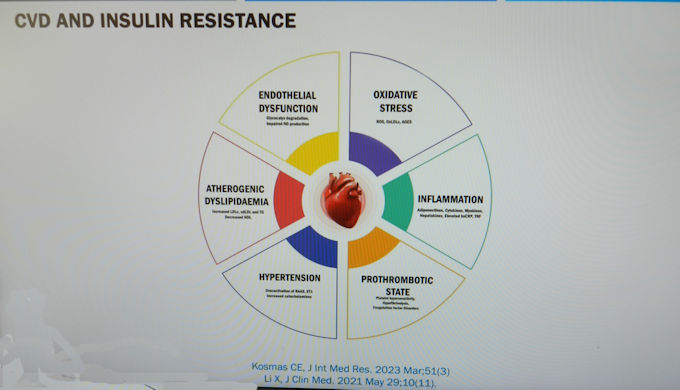
Above are six ways in which Insulin Resistance has an adverse effect on Atherosclerotic Cardiovascular Disease.
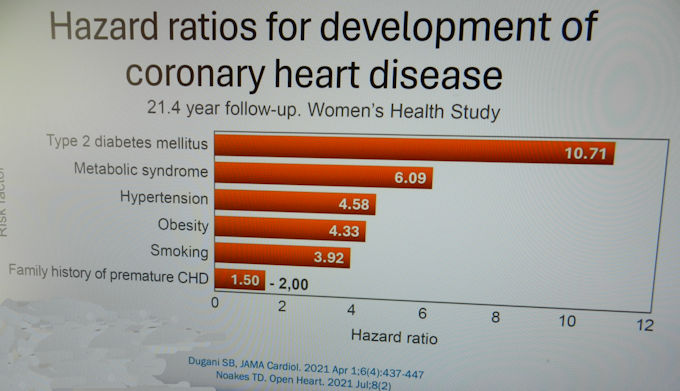
These health disorders are clearly hazards that point to future Atherosclerotic Cardiovascular Disease
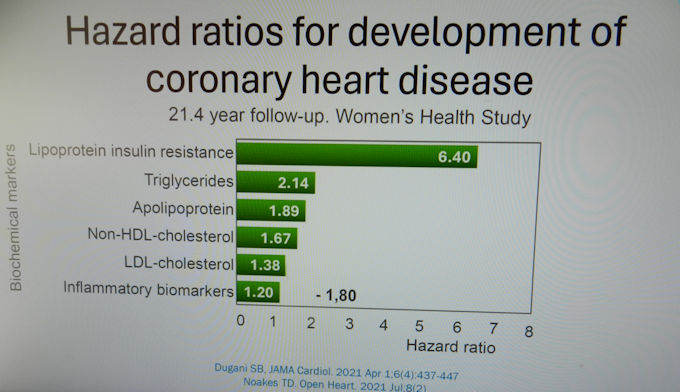
These blood markers are also hazards pointing to future Atherosclerotic Cardiovascular Disease
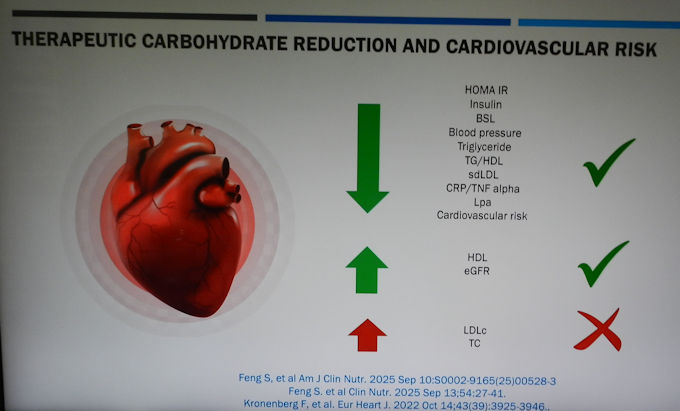
It's very clear that the benefits of reducing Insulin Resistance by Therapeutic Carbohydrate reduction are significant.
‘Managing cardiovascular risk with Therapeutic Carbohydrate Reduction'
Dr. Laureen Lawlor-Smith (33 minutes)
Published by: Low Carb Downunder - 7 Dec 2025
The scientific committee of the Australasian Metabolic Health Society is developing a position statement on the management of cardiovascular risk in people using Therapeutic Carbohydrate Reduction.
This is a group of health professionals who's committed to make metabolic health the cornerstone, the foundation of the Australian and New Zealand health system.
Topics In this Lecture
Atherosclerotic cardiovascular disease
Symptoms of cardiovascular disease.
Coronary artery calcium score
Misinformation about the cardiovascular risks
Therapeutic carbohydrate reduction
Key Risk factors for Cardio Vascular Disease
Type 2 diabetes
Insulin Resistance
Hypertension
Triglycerides
Endothelial dysfunction
Inflammatory markers of C reactive protein and TNF alpha
Lean mass hyper-responders
The MESA CHD Risk Score
Statin therapy
GLP1 agonists
PCSK9 inhibitors
Myocardial infarction, commonly known as a heart attack
What Does LDL Actually Mean in 2025? A Cardiologist Answers Honestly
Dave Feldman interviews Dr Bret Scher (14 minutes)
Published by: Dave Feldman - 15 Dec 2025
This segment captures a rare, intellectually honest moment where a practicing cardiologist explains his current thinking on LDL cholesterol—without slogans, absolutes, or false certainty. It’s compelling because it dismantles the simplistic “LDL high = statin” reflex, introduces nuance around metabolic health, plaque burden, and individual risk, and openly acknowledges scientific uncertainty in a field that usually pretends it doesn’t exist. The result is a thoughtful, provocative discussion that challenges both patients and clinicians to rethink how cardiovascular risk is actually assessed and treated.


